
In modern healthcare, ensuring safety, accuracy and compliance is paramount. In Australia, two services play a critical role: biomedical testing (i.e., the testing of medical equipment) and patient treatment-area testing (i.e., the verification of electrical installations where patients are treated
- . What is Biomedical Testing?
Biomedical testing in this blog, refers to the inspection and testing of medical-equipment and devices to ensure that they can be operated safely and reliably in a clinical environment.
From routine diagnostic tools like glucometers and blood pressure monitors to critical life-support apparatus like infusion pumps, regular biomedical maintenance is non-negotiable. Partnering with a specialized provider like Jim’s Test & Tag ensures your facility satisfies strict AS/NZS 3551 and AS/NZS 3003 requirements. Thorough electrical testing coupled with meticulous logbook tracking guarantees your clinic remains fully compliant and ready for any surprise audit.
In short: Jim’s Test & Tag biomedical testing ensures that the equipment is safe and compliant with regulations and Australian standards.
2. What is Patient Area Testing?
Patient area testing involves evaluating and documenting the fixed electrical infrastructure in clinical settings. Designed to protect patients and staff from electrical hazards, this process ensures that environments utilizing patient-connected medical devices meet strict shock-prevention standards.
Key points:
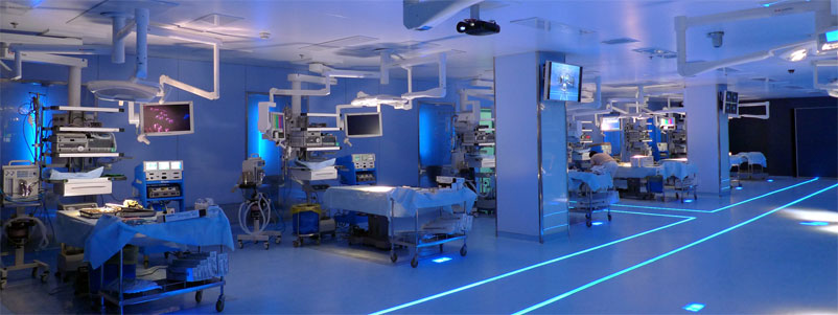
- A Patient Treatment Area is any space where electrical equipment is used to perform tests, treat, or monitor a patient. AS/NZS 3003:2018 lists operating theatres, recovery areas, imaging rooms, dental surgeries, day-procedure theatres, etc
- Body Protected Areas and Cardiac Protected Areas are separated in the Standard.
- Body-Protected Electrical Areas (BPA): Designated for rooms where medical equipment contacts a patient’s skin superficially. Common examples include physiotherapy clinics, dental surgeries, general practitioner consulting suites, and aged care treatment rooms.
- Cardiac-Protected Electrical Areas (CPA): Reserved for high-risk zones where procedures involve direct access to the human heart. These spaces—such as intensive care units, operating theatres, and cardiac catheterisation suites—demand extreme protection, as tiny micro-amperage leakages can trigger fatal cardiac events.
3. Scope of Technical Inspections
Comprehensive compliance verification encompasses a precise sequence of assessments. These include physical inspections, low-resistance earthing continuity checks, insulation integrity measurements, and operational testing of residual current devices (RCDs). Technicians also verify regulatory signage and wall labelling, inspect the structural integrity of socket-outlets, confirm proper circuit classification, and execute mandated annual or periodic re-evaluations.
4. Service Delivery by Jim’s Test & Tag
The specialized “Patient Area Testing” program delivered by Jim’s Test & Tag provides full-scale electrical safety audits. This service explicitly covers earthing pathway verification, compliance label and signage audits, comprehensive RCD trip-time analytics, and detailed visual structural inspections. Every evaluation is thoroughly documented to guarantee absolute alignment with the statutory mandates of AS/NZS 3003.
Click to see Summary of Compliance objectives