
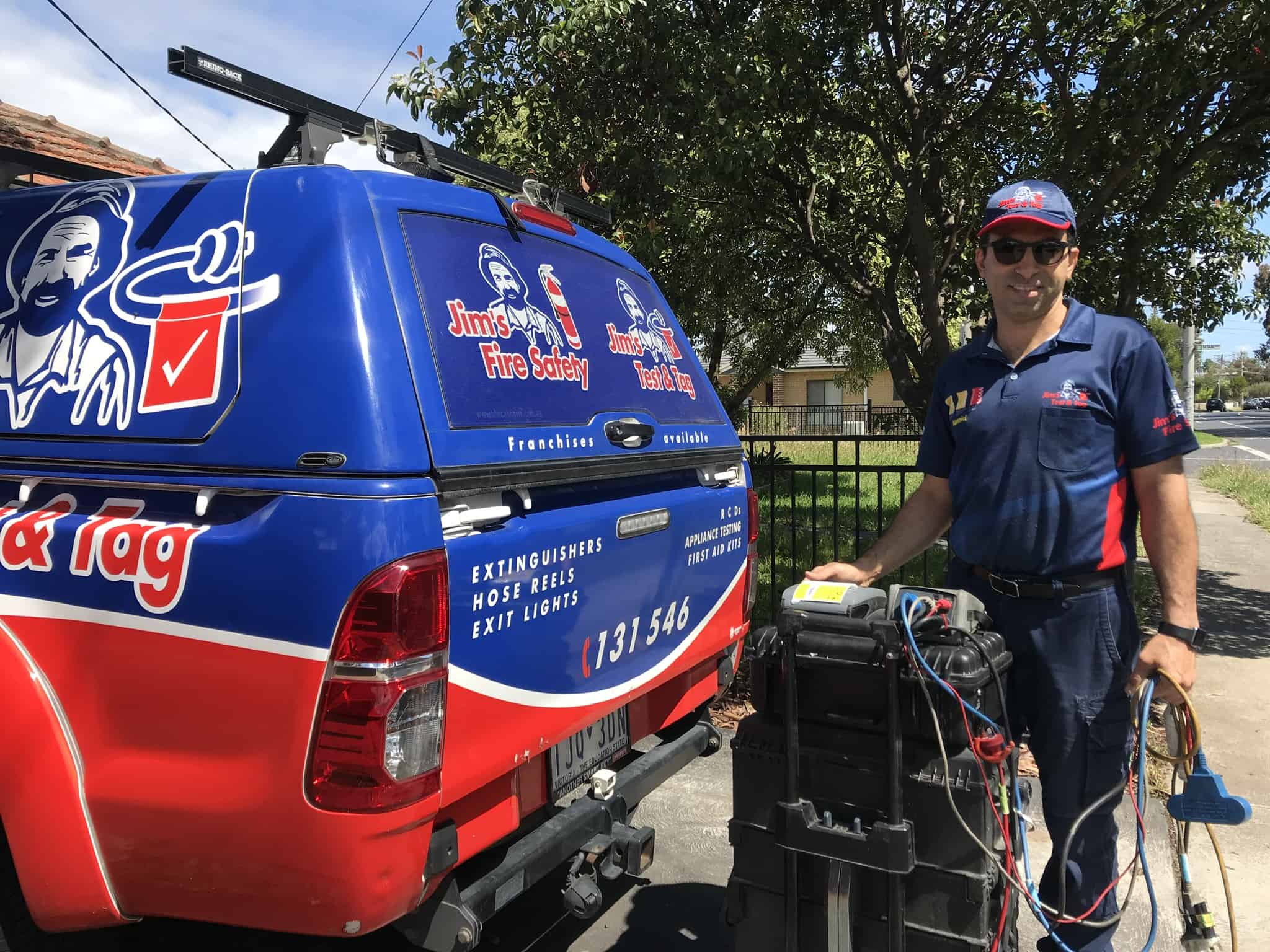
In the Australian medical sector, maintaining the integrity of clinical devices and the spaces where they are deployed is central to safeguarding patients, achieving institutional accreditation, and meeting strict regulatory benchmarks.

- Clinical Device Verification (Biomedical Engineering Safety)
Clinical equipment safety encompasses the physical assessment, precise calibration, and electrical performance auditing of all medical hardware, spanning from basic diagnostic tools like sphygmomanometers to life-critical systems such as defibrillators and diagnostic imaging suites.
Core Objectives:
- Guarantee safe and precise clinical deployment.
- Enforce absolute alignment with the statutory mandates of AS/NZS 3551, AS/NZS 3760, and original equipment manufacturer (OEM) criteria.
Operational Delivery:
These specialized workflows are performed by qualified biomedical engineering personnel or testing agencies accredited by the National Association of Testing Authorities (NATA). Core technical assessments feature:
- Low-impedance earth path verification, insulation barrier assessment, and leakage current profiling.
- Traceable data logging, asset labeling, and certification.
- Infrastructure Certification (Patient Area Environmental Safety)
Environmental testing concentrates exclusively on the structural electrical systems hardwired into patient treatment zones, such as dental surgical units, intensive care facilities, and operating theatres.
Core Objectives:
- Certify structural conformity with AS/NZS 3003:2018 provisions for specialized clinical rooms.
Operational Delivery:
Technical compliance for designated medical zones is verified through:
- Systemic earthing integrity evaluations.
- Response time and sensitivity calibration of Residual Current Devices (RCDs).
- Auditing of mandatory clinical power circuit labeling and terminal color coding.
- Independent commissioning alongside structured periodic re-certification.
- Risk Mitigation & Compliance Drivers
- Clinical Risk Reduction: Eliminates macroshock and microshock pathways to protect personnel and patients from physical injury or systemic hardware failures.
- Institutional Accreditation: Satisfies mandatory governance thresholds enforced by the Australian Commission on Safety and Quality in Health Care (ACSQHC) alongside general hospital safety standards.
- Liability and Due Diligence: Establishes a verifiable paper trail of proactive compliance to protect the organization against legal liability.
- Asset Efficiency: Minimizes unexpected equipment downtime, extending operational lifespans and ensuring continuous patient care.
| • Scope of Evaluation | • Reference Standard | • Operational Application |
| • Clinical Assets | • AS/NZS 3551 | • Oversight, management, and technical testing of medical electronics. |
| • General Infrastructure | • AS/NZS 3760 | • Safety verification for non-medical, portable electrical hardware. |
| • Structural Environments | • AS/NZS 3003 | • Engineering and installation rules for electrical layouts in patient care zones. |
- Institutional Challenges
- Remaining compliant with rapid or complex shifts in national engineering standards.
- Deploying skilled technicians to service regional, rural, or isolated healthcare outposts.
- Overcoming administrative friction in tracking historical maintenance data and future scheduling.
- Bridging operational silos between facility electrical teams and specialized biomedical engineers.
- Industry Best Practices
- Initialize and maintain an updated central register tracking every active medical asset and classified clinical zone.
- Partner exclusively with fully credentialed, specialized electrical and biomedical compliance vendors.
- Implement fixed, risk-stratified testing cadences ranging from 6 to 12 months based on environmental classifications.
- Log every technical data output, maintaining a clear archive of test logs, compliance tags, and formal certificates.
- Deliver continuous workforce training regarding specific clinical zone restrictions and localized risk designations.
Summary Takeaway
Clinical asset safety and environmental infrastructure certification are intrinsically linked. While one validates the tool, the other certifies the room. Used together, these protocols form the operational backbone of clinical safety, structural compliance, and risk management within the Australian medical ecosystem.
Click to see Biomedical and patient area testing checklist / template (Australia)